Every town has a story it tells about itself. Fruita's involves a rooster named Mike who lost his head in September 1945 and then declined to die for another eighteen months. It sounds like a tall tale. It is documented fact, verified by universities and national magazines at the time, and it has become the town's unofficial mascot, complete with a statue downtown and a festival every spring. Here is the whole strange, true story.
September 10, 1945: the axe falls
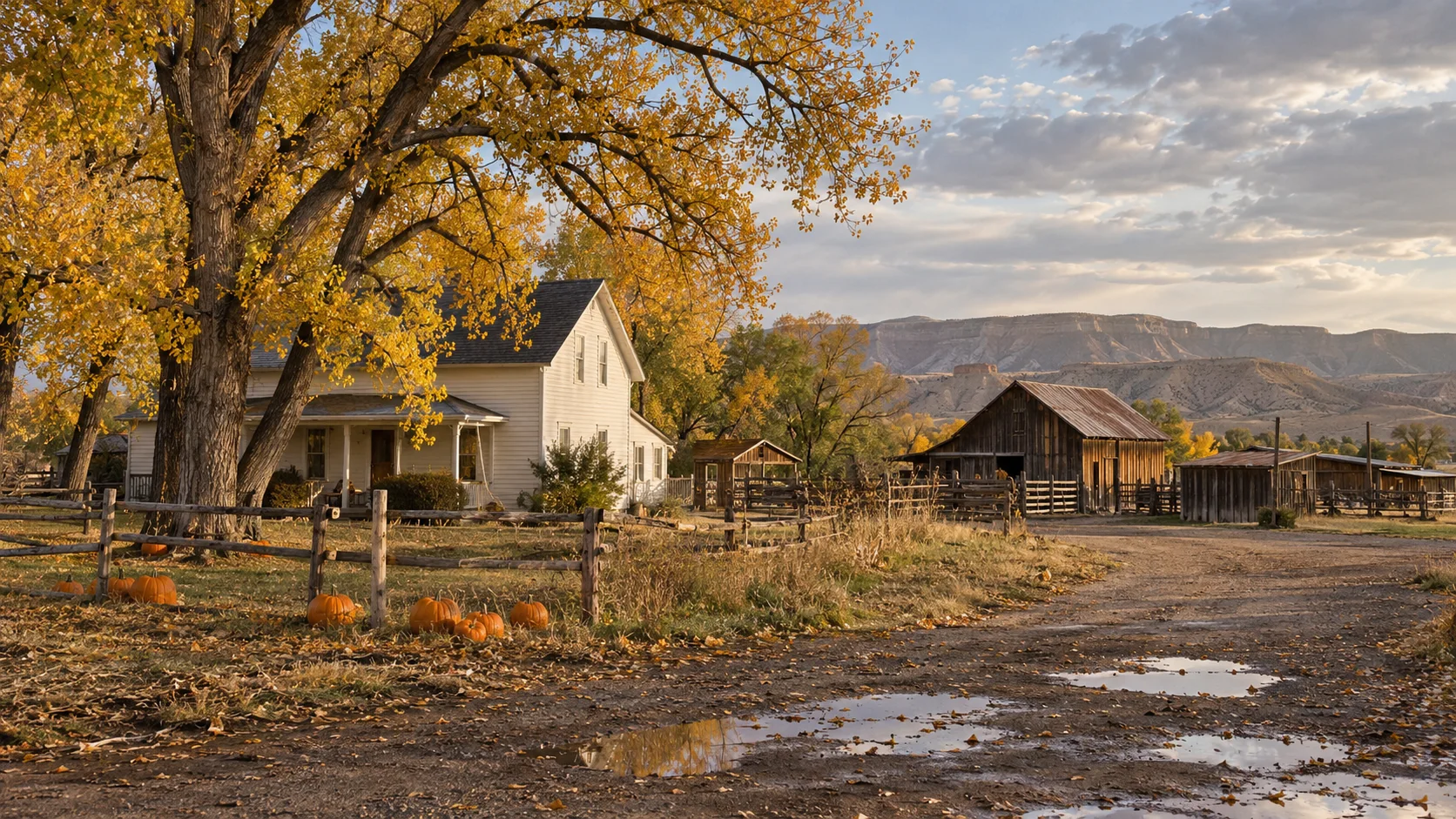
Lloyd Olsen was a Fruita farmer doing an ordinary chore. His mother in law was coming for dinner, chicken was on the menu, and a five and a half month old Wyandotte rooster drew the short straw. Lloyd swung, the head came off, and the bird did what chickens briefly do. Then it stopped flopping, stood up, and went back to patrolling the yard with the other birds.
By the next morning the rooster was still at it, sleeping with his neck tucked under a wing like nothing had changed. Lloyd, either soft hearted or scientifically curious or both, decided a bird with that much commitment to living had earned support. He began feeding it with an eyedropper, dripping grain and water straight down the open esophagus.
The swing had missed the jugular vein, and a clot kept Mike from bleeding out. More important, it had missed most of the brain stem. A chicken's reflexes, balance, and basic functions live largely in that stem, so Mike kept almost everything a chicken needs for daily life except the parts that handled seeing and pecking.
From farmyard oddity to national headline
Word of the headless rooster traveled fast. Skeptics demanded proof, so Lloyd took Mike to the University of Utah in Salt Lake City, where researchers examined him and confirmed what Fruita already knew. The bird was alive, healthy, and gaining weight without a head.
Show business followed science. Mike toured the sideshow circuit from Salt Lake to Los Angeles to New York, billed as the Headless Wonder Chicken, earning the Olsens real money at a time when farm income was thin. Life magazine ran a feature. Guinness eventually recorded the feat. Admission was a quarter, and the crowds came.
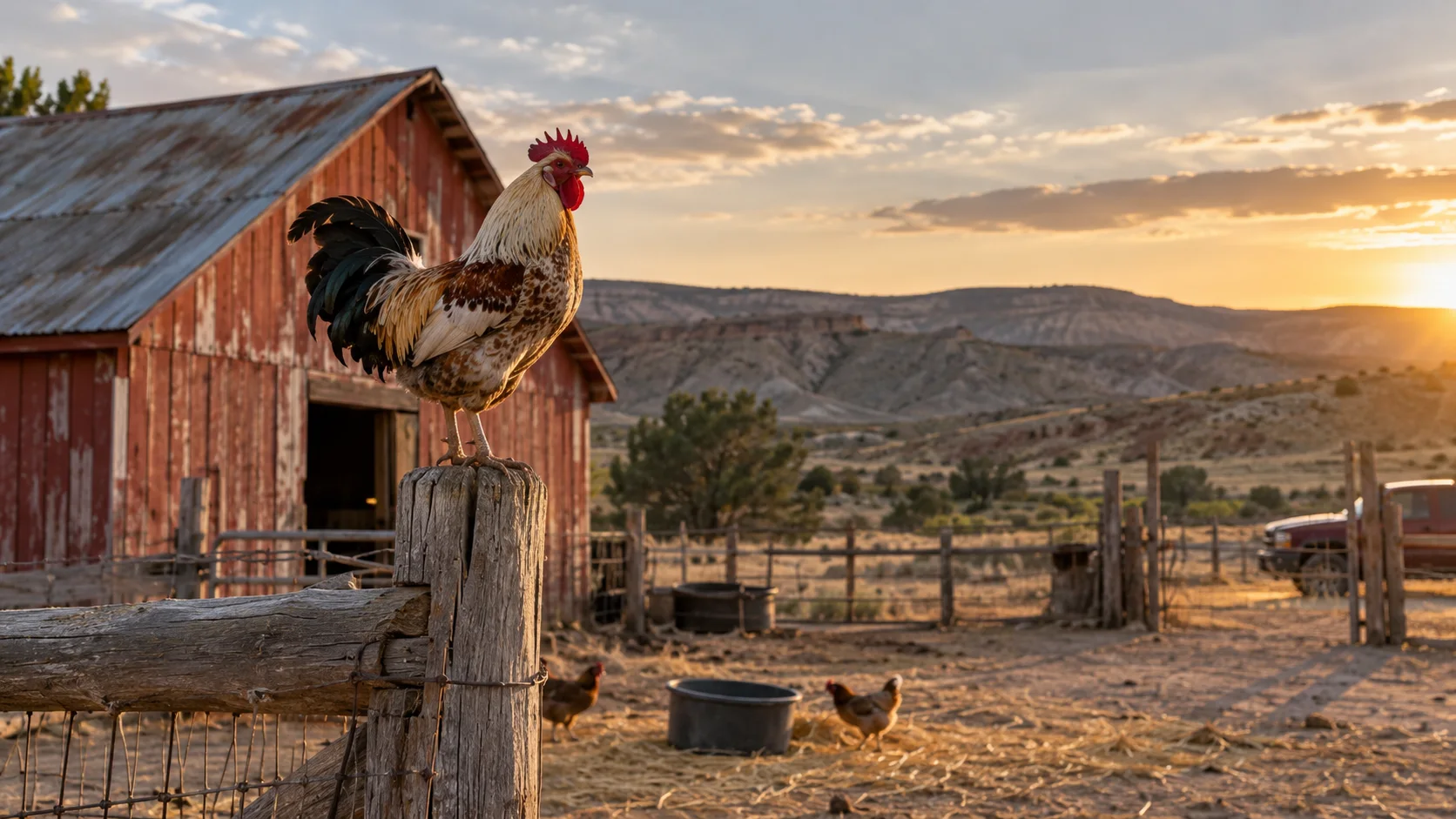
Through all of it Mike remained, by every account, a fairly contented chicken. He grew from about two and a half pounds to nearly eight. He perched, he preened as best he could, and he attempted to crow, which came out as a gurgle through his open throat. The Olsens traveled with a syringe to clear that throat, a detail that mattered more than anyone wanted it to.
Life as a headless celebrity
Daily care settled into a routine that sounds invented and was not. Feedings went down the esophagus by eyedropper, a mix of ground grain and water, with little bits of gravel to keep the gizzard working. The throat needed regular clearing, which the family handled with a syringe. Mike responded the way a comfortable bird does, putting on weight steadily and moving around the yard with the rest of the flock.
The Olsens kept a few preserved details that make the whole thing feel human scale. They booked tour stops around farm work, not the other way round. They turned down offers to sell him. And at home between tours, Mike lived not as an exhibit but as a slightly famous chicken in an ordinary Fruita farmyard.
The money was real for the time, reportedly thousands of dollars a month at the peak, which in the late 1940s was more than most Grand Valley farms cleared in a year. Nobody in the family ever pretended that was not part of the decision. Mercy and arithmetic can share a farmyard.
The end of the road
In the spring of 1947, about eighteen months after losing his head, Mike was touring through Arizona when he began choking in a Phoenix motel room. The clearing syringe had been left behind at the previous stop. Lloyd could not clear the blockage in time, and Mike died in the night, outlived by his own legend.
The Olsens went home to Fruita and mostly stopped talking about it. For decades the story lived as family lore and bar trivia, the kind of thing old timers would tell newcomers to watch their reaction. It took the town itself to bring Mike back into the daylight.
How a town adopts a headless chicken
In the late 1990s Fruita was reinventing itself around mountain biking and needed to let the world know it existed. Some towns hire branding firms. Fruita looked at its own history, found a rooster who refused to quit, and recognized a kindred spirit. The first Mike the Headless Chicken Festival ran in 1999 and has anchored late spring ever since.
A bronze statue of Mike now stands at the corner of Aspen and Mulberry in downtown Fruita, mid strut, forever headless. It is the most photographed object in town after the Monument, and locals give directions by it without a hint of irony.
The adoption makes sense once you know the place. Fruita's whole identity is cheerful stubbornness: desert farmers who made orchards out of rock, a small town that built a world class trail network with volunteer labor. Mike fits right in.
Mike the Headless Chicken Days today
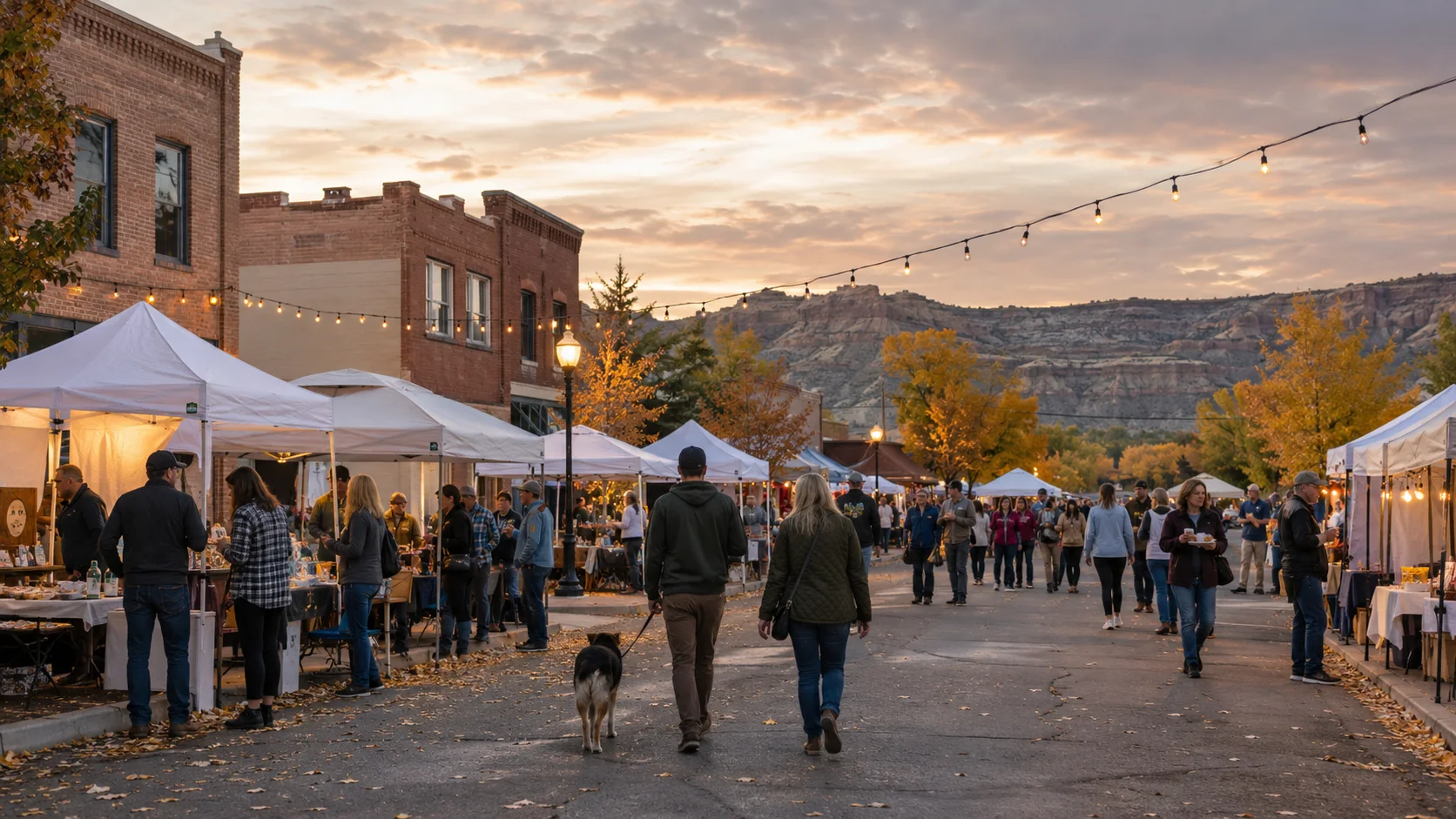
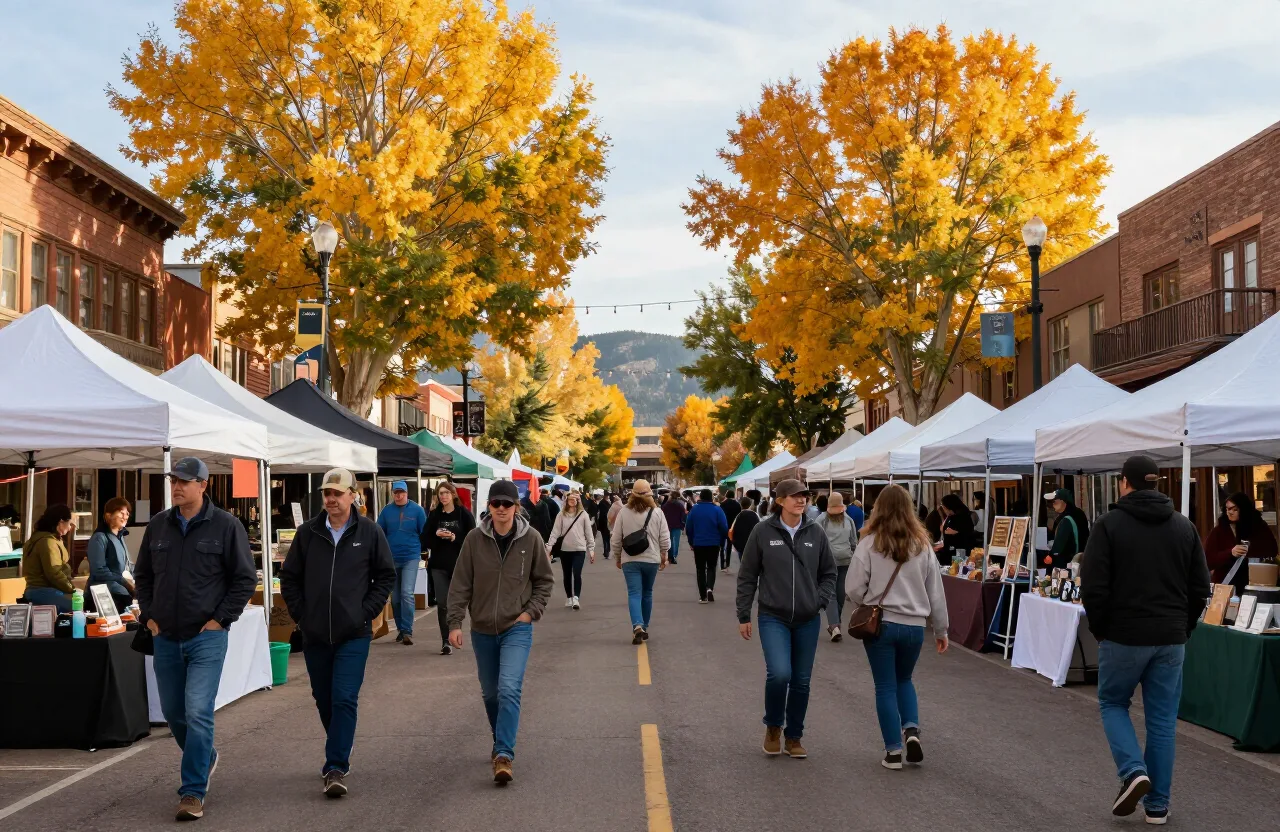
The festival lands in late May or early June, and it commits to the bit completely. There is a 5K called the Run Like a Headless Chicken race, a chicken wing eating contest, live bands, a car show, and games built around rubber poultry. It is smaller and weirder than the Fall Festival, and plenty of people love it more for exactly that reason.
The crowd mixes locals, families from around the Grand Valley, and travelers who saw the name on a calendar and could not resist. That last group arrives thinking they are in on a joke and leaves understanding it was never really a joke at all. Current dates and the full lineup are posted by the Fruita tourism office.
Separating the facts from the folklore
Stories this good attract barnacles, so it is worth stating what is verified. The date, September 10, 1945, is documented. The University of Utah examination happened. The Life magazine coverage is on the record, and the eighteen month survival is the consistently reported figure from the family and contemporary accounts.
The folklore shows up in the margins: claims he lived years longer, that he grew to turkey size, that there were multiple headless birds. Fruita itself is honest about the line. The festival celebrates the documented bird, strange enough on his own, and leaves the embellishments to the midway.
Seeing the Mike sights in town
Mike tourism takes about an hour, which makes it a perfect add on to any Fruita visit. Start at the statue for the required photo. The surrounding blocks hold shops and taprooms that stock a healthy amount of Mike merchandise, from shirts to stickers to the inevitable rubber chickens, and our things to do guide covers what else sits within walking distance.
True completists can pair the stop with a loop through town during festival weekend, when Mike iconography reaches saturation. The statue gets decorated, businesses compete on window displays, and the town leans into its rooster harder than any chamber of commerce would dare suggest.
Why the story endures
Part of it is simple biology done strange: a textbook case of how much a body can run on a brain stem and reflexes. Scientists still cite Mike when explaining chicken neurology, and the University of Utah verification is why the story survived the century with its facts intact.
But mostly it endures because it is a perfect small town parable. An ordinary chore went sideways, a farmer chose mercy and curiosity over dinner, and a doomed bird turned out to have more life in him than anyone guessed. Fruita celebrates Mike because, headless or not, he kept going. Around here that is the highest compliment there is.
Plan a Mike pilgrimage
If the story hooked you, Fruita makes it easy to pay respects. Time a visit for festival weekend in late spring and you get the full production: the 5K, the wing contest, the bands, and a town square full of people wearing chicken hats with total sincerity. Lodging books up that weekend, so claim a room early using our hotels guide.
Outside festival season, the statue never closes and neither does the story. Photograph the corner, pick up a sticker downtown, and raise a glass at a local taproom to the most determined rooster in American history. Then go ride 18 Road, because stubbornness is contagious in this town and the trails are where locals spend theirs.
Frequently asked questions
Was Mike the Headless Chicken real?
Yes. The 1945 incident was verified by researchers at the University of Utah and covered by Life magazine. Mike lived about 18 months after losing his head.
How did Mike survive without a head?
The axe missed his jugular vein and most of his brain stem, which controls a chicken's basic functions. A clot prevented fatal bleeding, and the Olsens fed him with an eyedropper.
When is the Mike the Headless Chicken Festival?
Late May or early June each year in downtown Fruita, with a 5K, live music, eating contests, and plenty of rubber chickens. Check current dates before you travel.
Where is the Mike the Headless Chicken statue?
At the corner of Aspen Avenue and Mulberry Street in downtown Fruita, an easy walk from the rest of the historic downtown blocks.
Published October 31, 2026 · How we research