There are two Fruitas in the American West, and they sit about 250 miles apart on opposite sides of the Colorado Utah line. One is a living Colorado bike town. The other is a preserved pioneer settlement inside Capitol Reef National Park. Search engines mix them up constantly, and every year travelers book a campsite in one while planning a trip to the other. This guide untangles them for good.
The thirty second answer
Fruita, Colorado is a real town of about 14,000 people in the Grand Valley, just west of Grand Junction on Interstate 70. It is famous for mountain biking at 18 Road and the Kokopelli Loops, for the Colorado National Monument at its doorstep, and for a lively little downtown. People live there. This website is about that Fruita.
Fruita, Utah is a historic district inside Capitol Reef National Park, roughly four hours southwest. Mormon pioneers settled it in the 1880s, planted orchards in a red rock canyon, and moved on by the 1960s when the park absorbed it. Nobody lives there now except the National Park Service. It is beautiful, it has a famous campground, and it is not a town.
Why the confusion happens
Both places sit in red rock desert, both are in the Four Corners region, and both show up for identical searches. Type fruita campground into a search engine and the top results describe the one in Capitol Reef. Type fruita orchards or fruita historic district and you are reading about Utah even if every other search you made that day was about Colorado.
Mapping apps make it worse. More than one traveler has asked a navigation app for Fruita while standing in Grand Junction and been offered a four hour drive to Utah. The towns are close enough in name and landscape that nothing about a photo tips you off, so the mistake survives all the way to the reservation screen more often than you would think.
Fruita, Utah in brief, for the curious
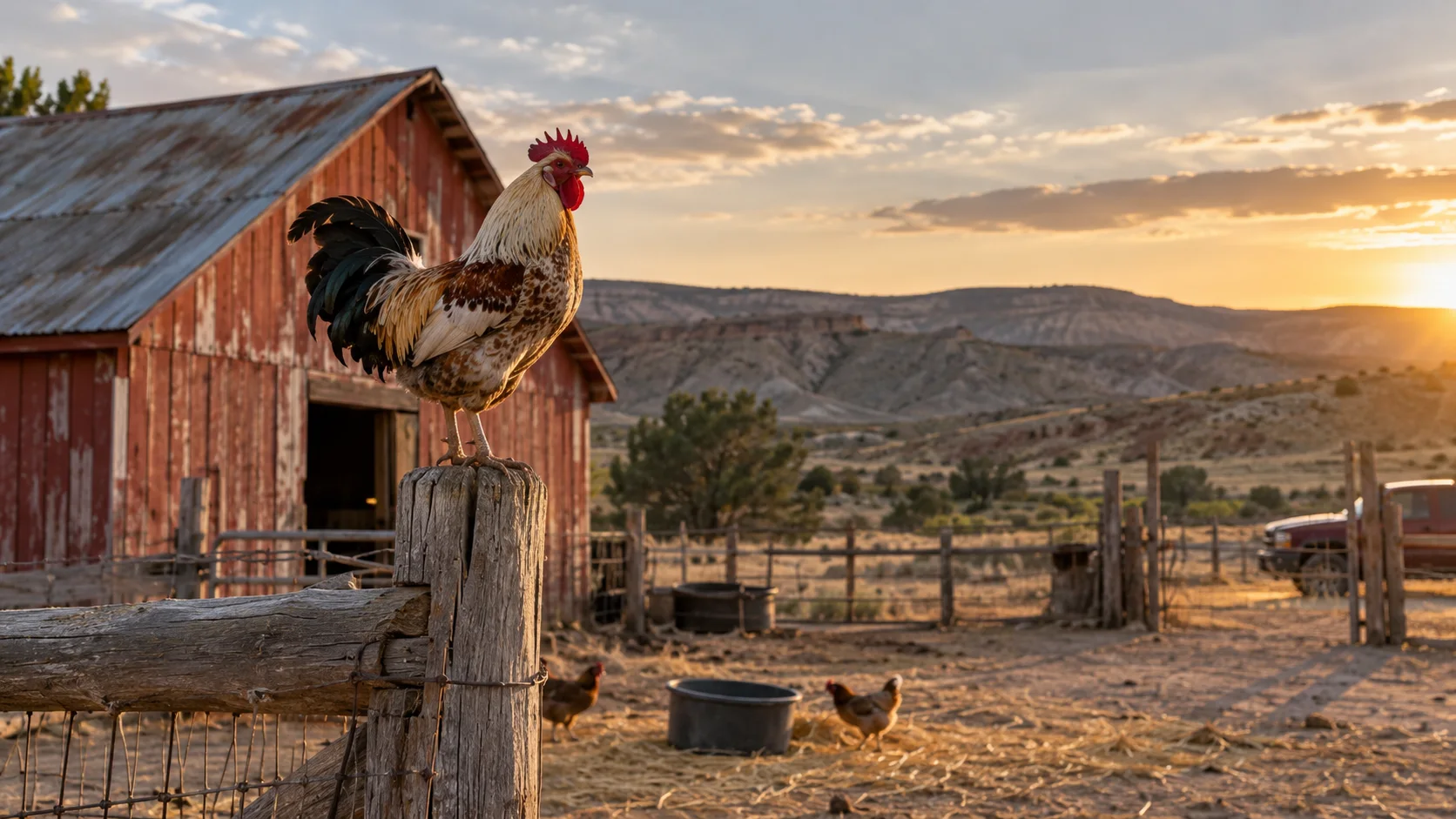
Credit where due: the Utah Fruita is gorgeous. The settlement sits where Sulphur Creek meets the Fremont River, a green ribbon of orchards and giant cottonwoods walled in by Capitol Reef's cliffs. The Park Service maintains about 1,900 heritage fruit trees, and in season visitors can pick cherries, apricots, peaches, and apples for a small fee.
The landmarks are the Gifford House, a farmhouse turned store famous for its pies, a one room schoolhouse, ancient petroglyph panels nearby, and the 71 site Fruita Campground, the only developed campground in the park. If that is the trip you want, book through the park's pages at nps.gov and plan around southern Utah logistics, not ours.
How bad can the mix up get?
Ask the rangers at Capitol Reef or the hotel desks in Fruita, Colorado and both will tell you the same story from opposite ends. Families roll into the Monument's visitor center asking where the orchards went. Campers arrive at 18 Road at dusk holding a Capitol Reef confirmation. A wedding party once discovered the error on the morning of the rehearsal, which is the version locals tell newcomers as a warning.
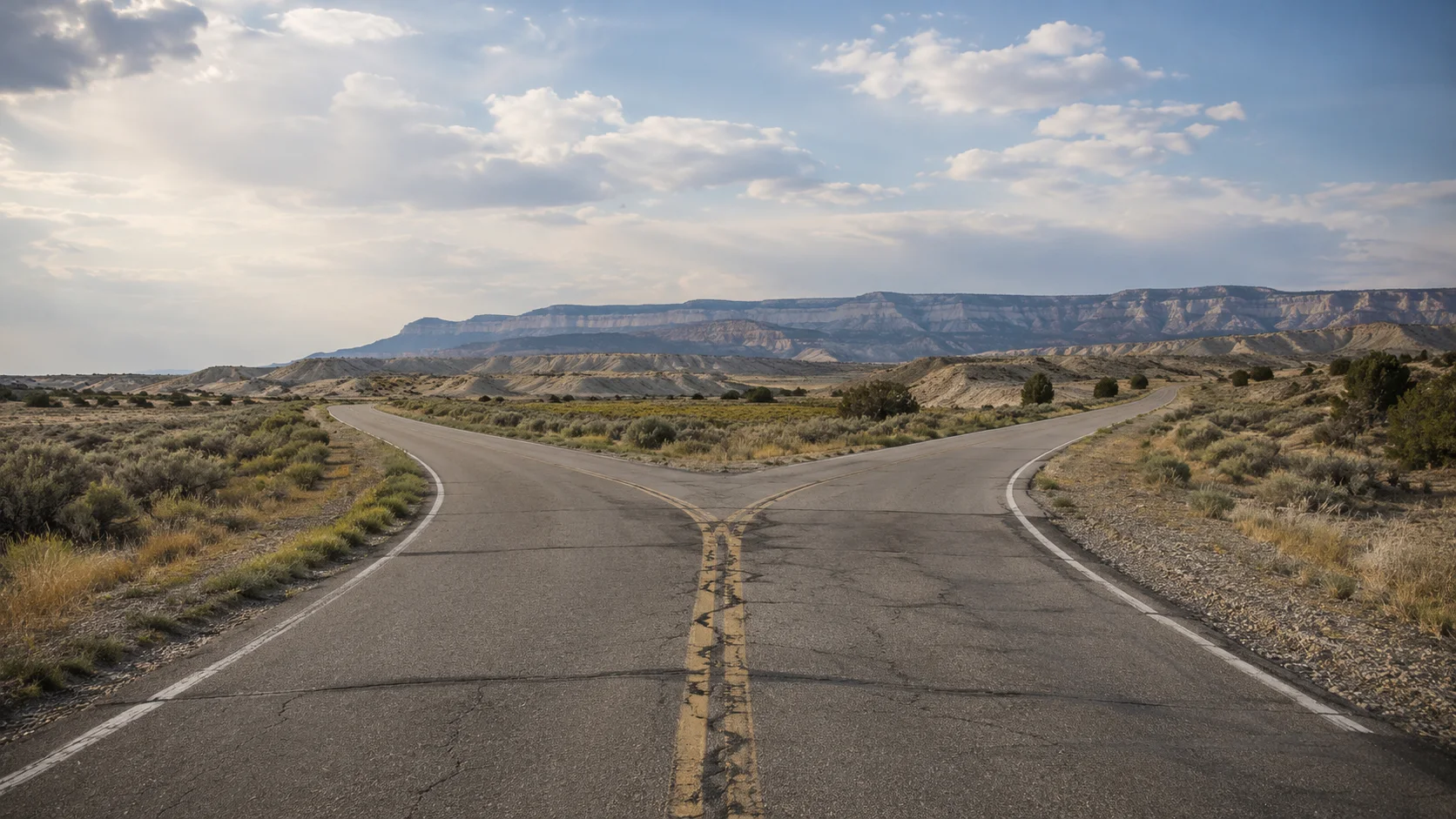
The fix costs nothing before you leave and most of a day after. Four hours separate the two, there is no shortcut over the canyon country between them, and peak season means the campground you actually booked may not have space when you finally arrive. Thirty seconds of checking beats a very scenic afternoon of regret.
Fruita, Colorado in brief, for everyone it fits
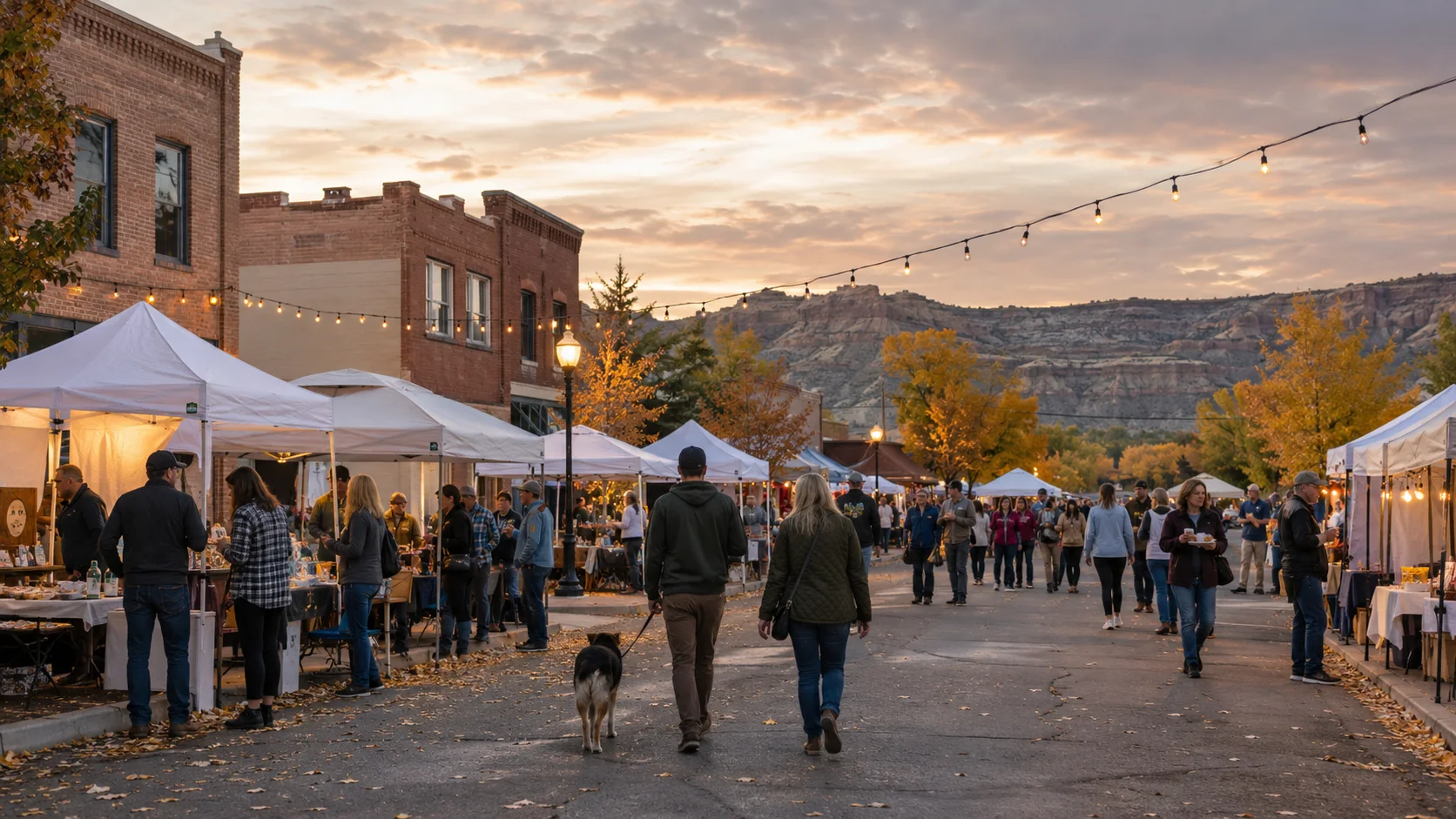
The Colorado Fruita is a working town with schools, breweries, bike shops, and roughly 240 sunny days a year. The draw is the combination: world class singletrack ten minutes one direction, the Colorado National Monument ten minutes the other, the Colorado River through the middle, and a downtown that feeds and waters all of it.
It is a base camp rather than a museum. You stay in real hotels or campgrounds, eat in real restaurants, and build days out of riding, hiking, rafting, and dinosaur bones. Our whole site maps that version of Fruita, starting with things to do.
The campground mix up, specifically
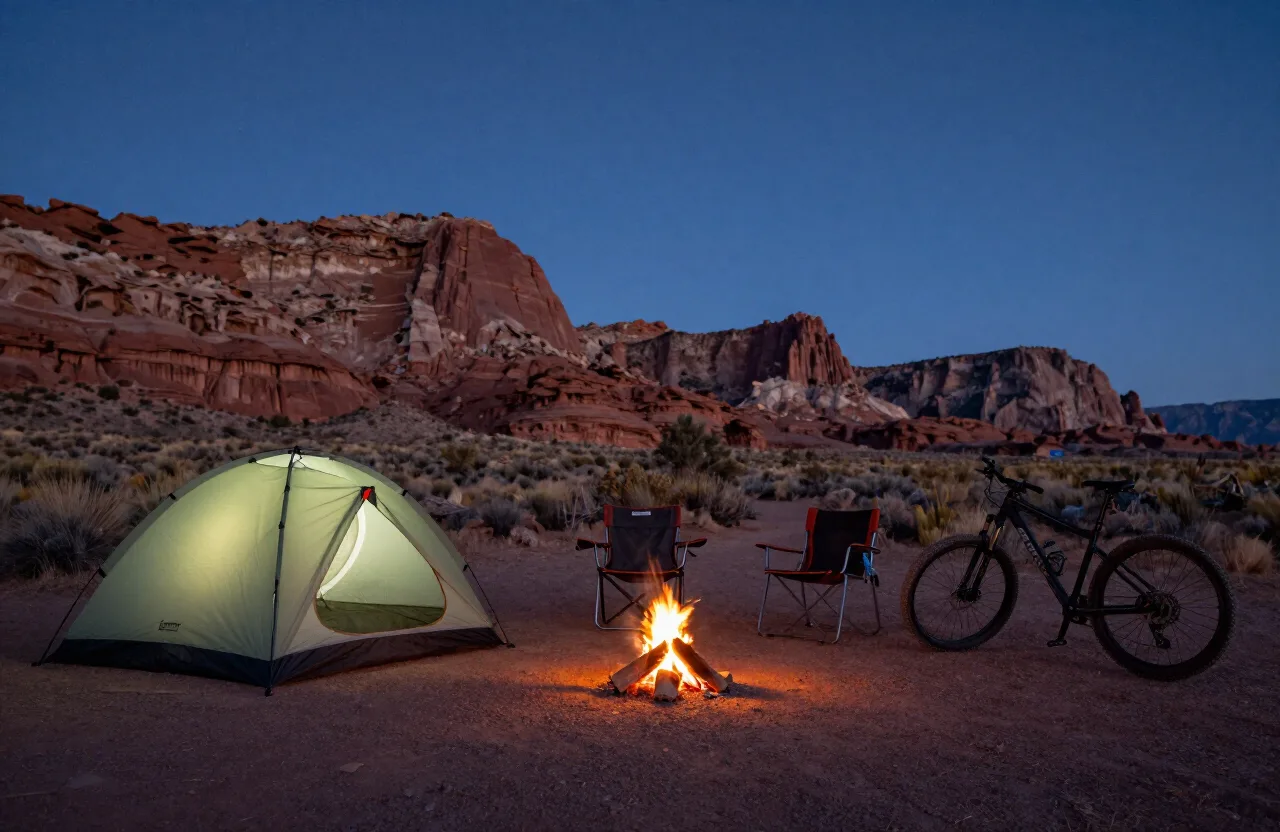
This is the costliest version of the confusion, so let us be precise. The Fruita Campground with reservations months out, green lawns, and deer wandering through is in Capitol Reef National Park, Utah. The camping near Fruita, Colorado is different in character: the North Fruita Desert campground at the 18 Road trailheads, Saddlehorn inside the Monument, riverside sites at James M. Robb state park, and open BLM desert.
If your reservation confirmation mentions Torrey, Utah, Highway 24, or Capitol Reef, you are booked in Utah. If it mentions 18 Road, Loma, or the Monument, you are booked in Colorado. Check before you drive, because the correction is a four hour detour with no shortcut.
A side by side cheat sheet
Population: Colorado about 14,000, Utah zero. Status: Colorado is an incorporated town, Utah is a national park historic district. Nearest city: Grand Junction for Colorado at twelve minutes, Torrey for Utah at eleven miles.
Lodging: Colorado has hotels, rentals, and multiple campgrounds. Utah has one campground and nothing else inside the district. Food: Colorado has a full restaurant scene. Utah has seasonal pie and ice cream at the Gifford House and that is the list.
Signature activity: Colorado is mountain biking and the Monument's Rim Rock Drive. Utah is scenic camping, orchard picking, and hiking Capitol Reef. Cell service: decent in Colorado, nearly none in Utah. Season: Colorado runs close to year round with mild winters. Utah's campground concentrates its bookings from spring through fall.
Fuel and groceries: everywhere in Colorado's Fruita, nowhere in Utah's, so tank up in Torrey. None of these are judgments. They are just two very different places wearing the same name.
Which one is your trip?
Choose Fruita, Colorado if your list includes mountain biking, a national monument drive, river time, craft beer, dinosaur museums, or a town to come back to at night. Choose Fruita, Utah if your list is scenic desert camping inside a national park, historic orchards, and pie, as one stop on a southern Utah parks loop.
Plenty of travelers eventually do both, and the drive between them along Interstate 70 and Utah Highway 24 is a legitimately great day of scenery. Just do them on purpose, in the right order, with the right reservations.
Getting to the right Fruita
Fruita, Colorado: Interstate 70, exit 19, twelve minutes west of Grand Junction. The nearest airport is Grand Junction Regional, fifteen minutes away, and Denver is about four hours east over the mountains. Our weather guide covers when to come.
Fruita, Utah: Utah Highway 24 through Torrey, eleven miles inside Capitol Reef National Park. The nearest meaningful airports are Salt Lake City and Grand Junction, each about three and a half to four hours out. There is no fuel, lodging, or cell service to speak of inside the park, so Torrey is your supply point.
And if you only remember one thing: the bikes are in Colorado, the pies are in Utah, and neither town minds the comparison.
One last check before you book
Run your plan through three quick questions. Does your route use Interstate 70 and exit 19, or Utah Highway 24 through Torrey? Does your campground confirmation say North Fruita Desert or Capitol Reef? Does your itinerary include bike shops and breweries, or orchards and pie? Each answer sorts you cleanly into one Fruita.
Get those three right and the two Fruitas stop being a trap and start being a pair of excellent, unrelated trips. Get them wrong and you will still end up somewhere beautiful, just 250 miles from your reservation. We would rather you arrive on purpose, and now you will.
Frequently asked questions
Are Fruita, Colorado and Fruita, Utah the same place?
No. Fruita, Colorado is a living town near Grand Junction known for mountain biking. Fruita, Utah is a preserved pioneer district inside Capitol Reef National Park, about 250 miles away.
Which Fruita has the famous campground?
The Fruita Campground is in Capitol Reef National Park, Utah. Camping near Fruita, Colorado centers on the North Fruita Desert campground at 18 Road, Saddlehorn in the Colorado National Monument, and riverside state park sites.
Which Fruita has the orchards?
Fruita, Utah. The National Park Service maintains about 1,900 heritage fruit trees there, with seasonal pick your own harvests. Colorado's Fruita had orchards historically, but today's fruit scene centers on nearby Palisade.
How far apart are the two Fruitas?
About 250 miles, roughly a four hour drive via Interstate 70 and Utah Highway 24 through Hanksville or Torrey.
Sources and official links
Capitol Reef National Park (NPS) ↗Colorado National Monument (NPS) ↗Fruita tourism (gofruita.com) ↗Published November 3, 2026 · How we research